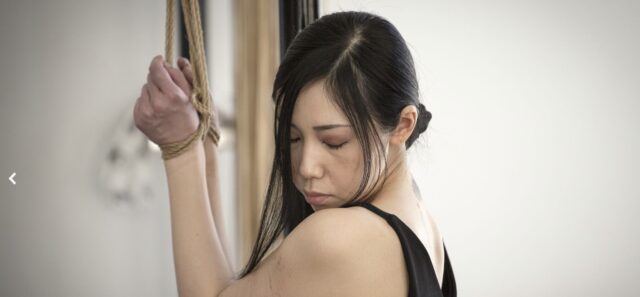
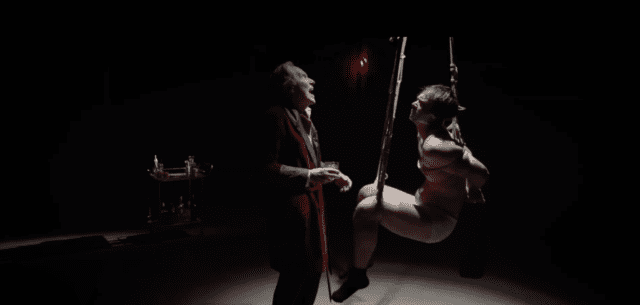
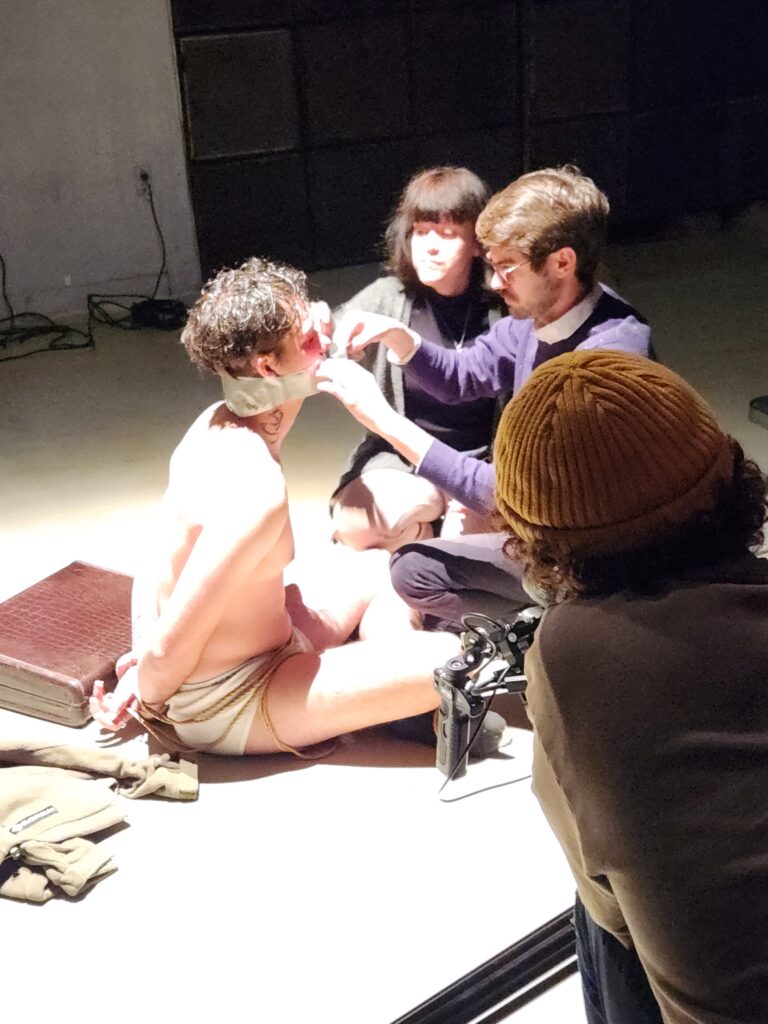
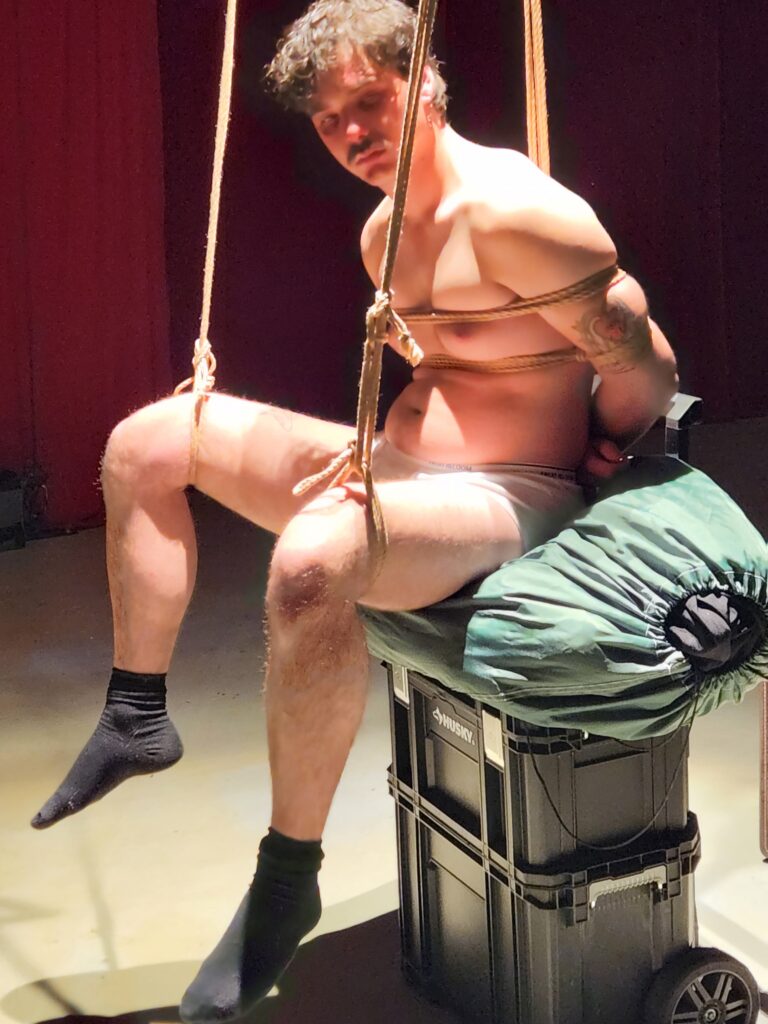
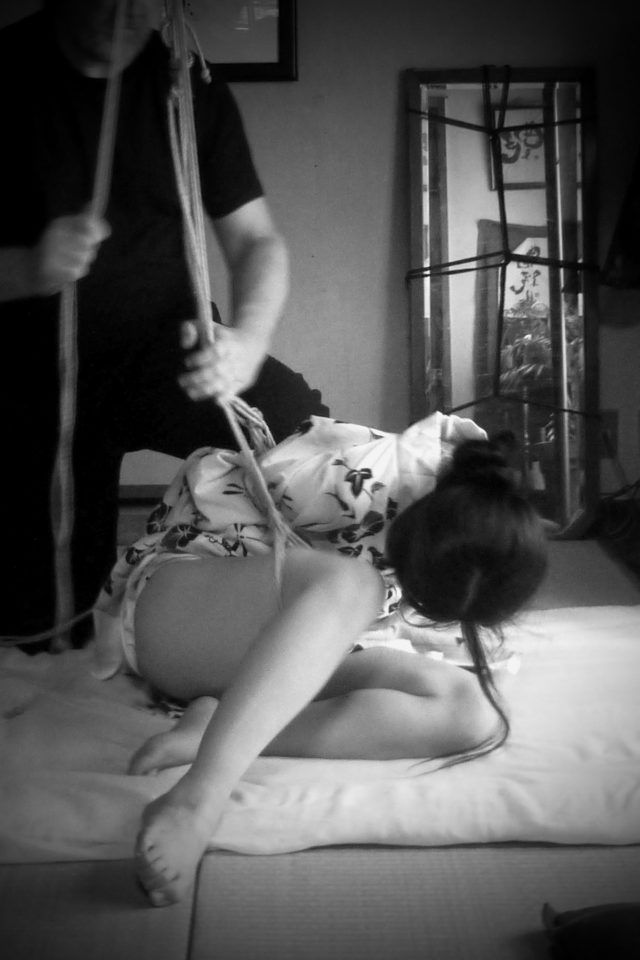
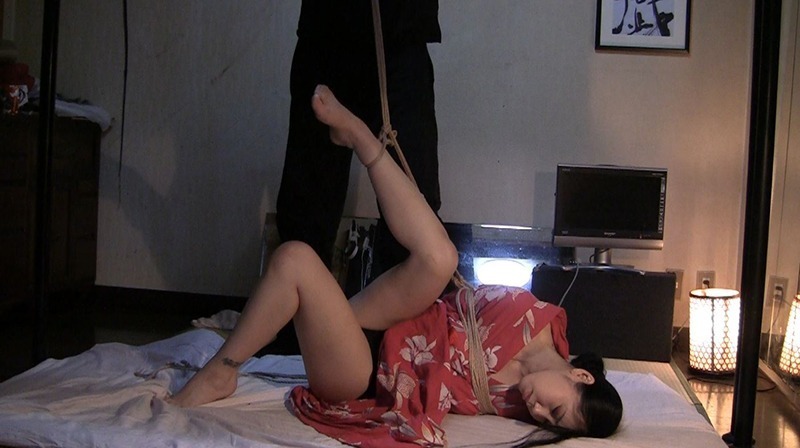
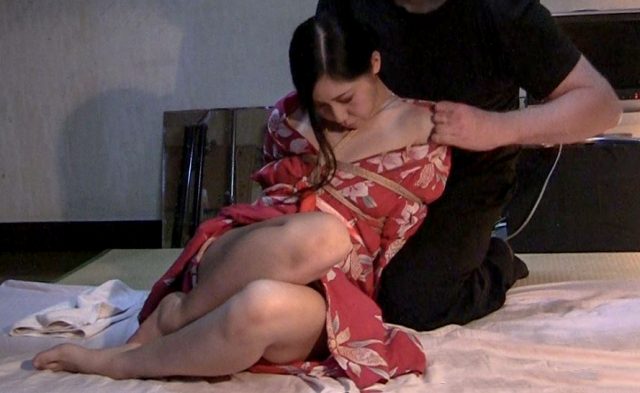
女性は恥ずかしがると、とても綺麗になるんです。私はその瞬間を見るのが好きなんです。縄はそれを引き出すためのきっかけにすぎません。
When a woman becomes embarrassed, she becomes very beautiful.I like seeing that moment. The rope is only a trigger for bringing it out.
-Yukimura Haruki, interview in SM Sniper.
Yukimura sensei often spoke about the beauty of a woman’s embarrassment in rope. Yet the meaning of that idea can be surprisingly difficult to translate for Western practitioners.
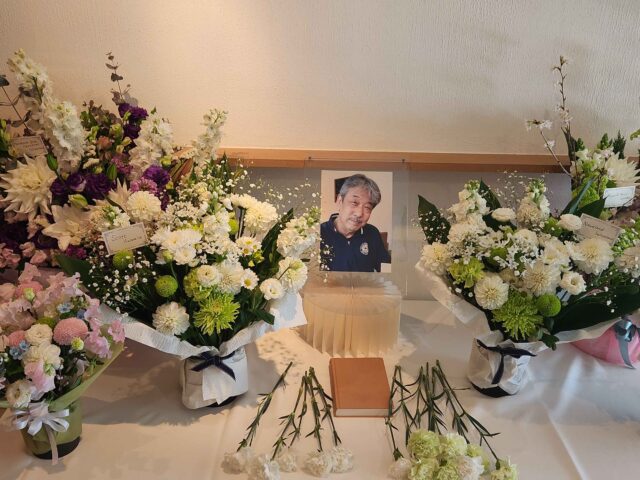
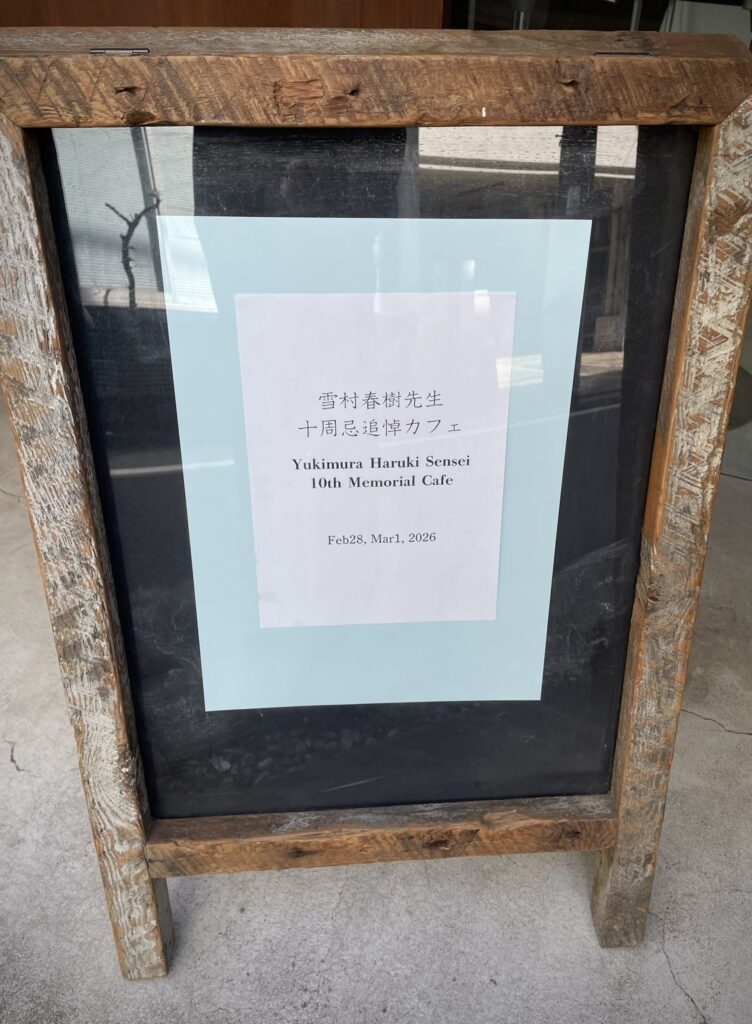
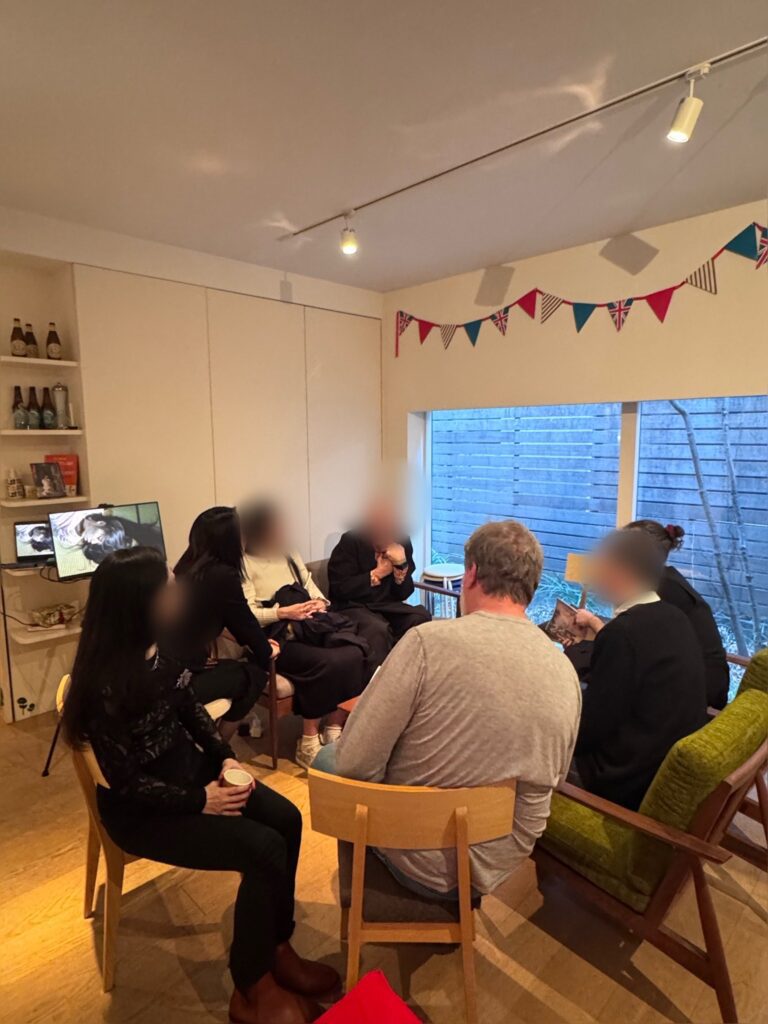
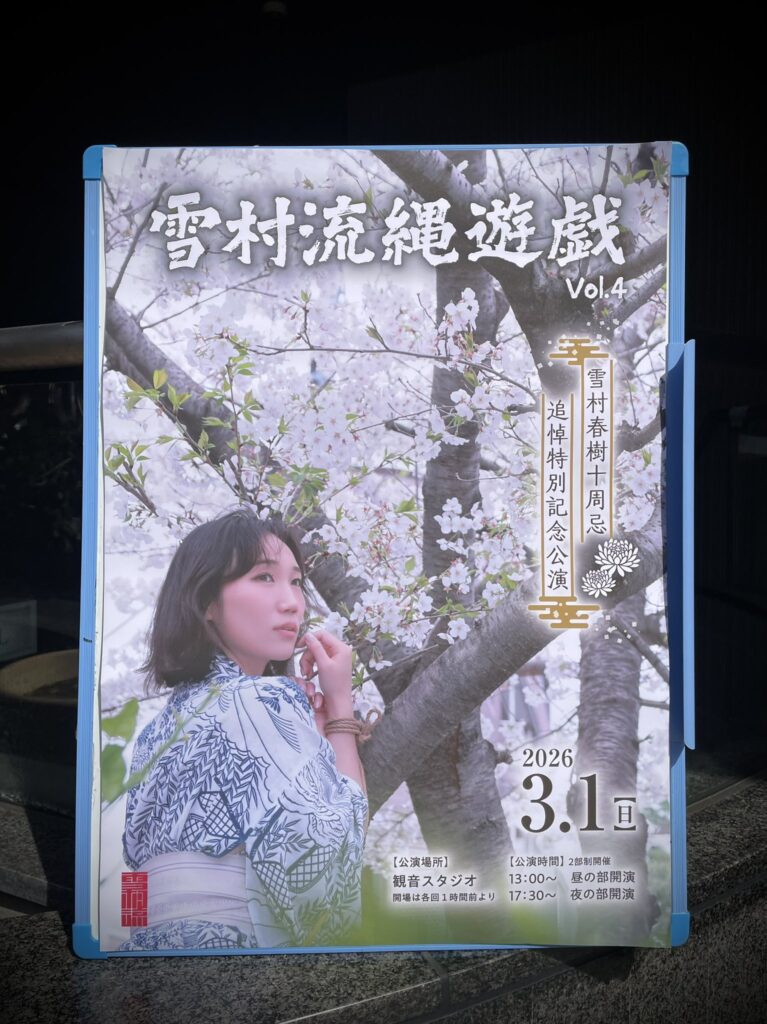
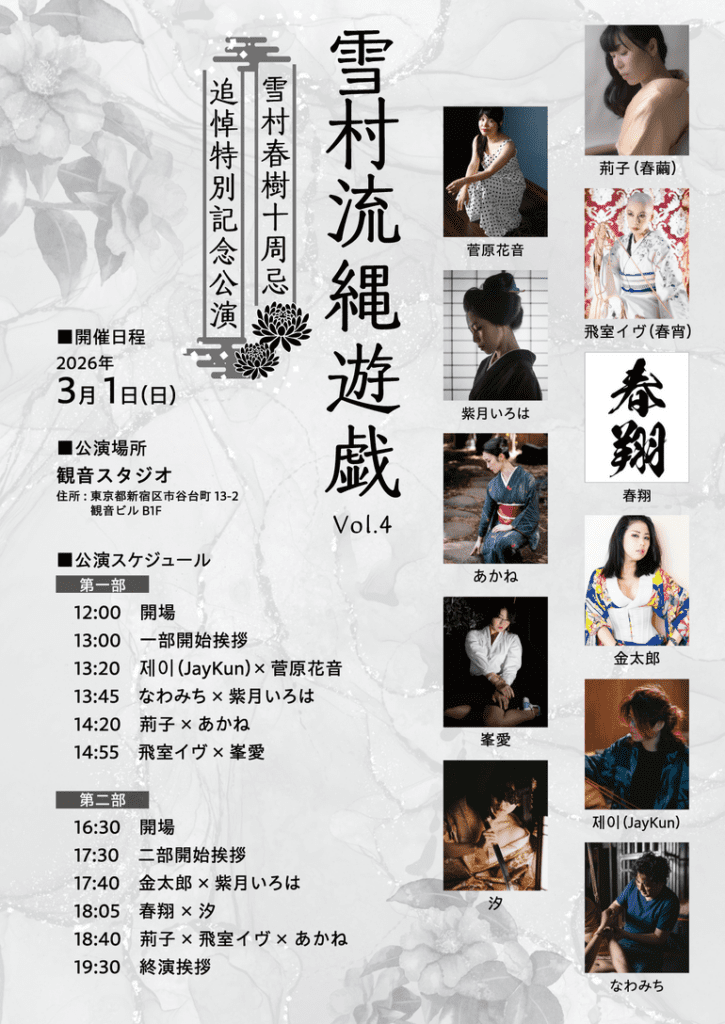
On March 1st, I was honored to appear on a discussion panel for memorializing the 10th anniversary of Yukimura sensei’s passing. To begin the conversation, Ugo invited NuitdeTokyo (Harukakeru), Himora Eve (Haruyoi), Ibarako (Harumayu), and myself (Haruyutaka), to reflect on how our approach to Yukimura ryū has changed over the past decade.
My answer was based on a realization I had shortly after I opened LA Rope and began teaching Yukimura style shibari. Because how we practice rope in the West differs in many ways from how it is practiced in Japan, I had to do one of two things. Either I would need to adapt Yukimura ryū to Western students or I would need to adapt Western students to Yukimura ryū. I chose the latter.
Part of what that has meant for my teaching has required some effort at translation of concepts that are at the heart of Yukimura-ryū. One of the things Yukimura sensei emphasized to me was that part of Yukimura-ryū was learning all you can and then making it your own. I am sure I have done that, perhaps unintentionally, for good or for ill. I can’t do more than pass on what he shared with me, incomplete as that may be, and continue to listen and learn from those who had more time with him.
Each time I visit Japan, I take away so many lessons from my senpai hearing them talk, tell stories, and watching them tie. This trip was no different. It is always humbling to see and hear how much they know and recognize how little I know about sensei’s rope. But as they say in Japan, 頑張ります, I will do my best.
This writing is an effort to help those who have an interest in Yukimura-ryū to better understand a core concept in this style of tying. I hope it does justice to his memory and helps grow our understanding of Yukimura-ryū, especially in the West.
Understanding Hazukashii
The Japanese word hazukashii (恥ずかしい) can be translated as “embarrassing,” “shy,” or “bashful,” and carries with it a very rich emotional tone. It may best be described as a feeling of self-consciousness, exposure, or vulnerability, and as an awareness of being seen.
In Yukimura’s style of rope play, hazukashii doesn’t carry with it some of the darker connotations that we think of as humiliation in the West, such as degradation, ridicule, or even cruelty and that difference is important.
When someone feels hazukashii they might say they feel shy, exposed, or embarrassed or comment that “you are making me blush.” Emotionally, the tone is intimate, but also playful and reveals a kind of emotional opening more than a loss of dignity, moral shame, or transgression.
Within Yukimura-ryū, the feeling of hazukashii marks an important turning point in a rope scene. Within this style, a rope session can be seen as a journey, where the person being tied experiences an inner emotional movement, going from resistance to exposure, ultimately evolving into feelings of surrender and release.
It is a progression that provides an emotional arc as well as a story, where the inner state of the model shifts and becomes more open as the story builds.
Hazukashii is a key part of this movement and has an emotional tone that often combines feelings of being exposed both physically and emotionally. Hazukashii is about being emotionally seen and vulnerable in front of the person tying (or in a performance, in front of an audience).
In a sense, hazukashii might best be described as a feeling of emotional nakedness.
Hazukashii and Humiliation
Of course, both Western and Japanese rope traditions include a wide range of emotional dynamics. The distinction I want to make here highlights a common pattern rather than some kind of absolute rule. The point I want to make is not that humiliation play doesn’t exist in Japanese rope (it absolutely does), but to clarify a concept that is especially important in Yukimura’s style of rope and distinguish it from other forms of emotional play, both in Japan and the West.
In Western BDSM, humiliation generally refers to a particular kind of emotional structure, often delving into feelings of a loss of status, ridicule, degradation, objectification, or intentional embarrassment. It can be seen as an attack on a person’s sense of self and can target self-esteem and the ego.
The core of this kind of humiliation play is about hierarchy and domination, and can involve things like insults, forced activities designed to humiliate, ridicule, and results in a loss of status for the submissive. Humiliation is an infliction of emotional distress done by the dominant partner to the submissive with the intention of affecting them on a personal level.
It is important to note that humiliation play within Western BDSM is not a single, uniform experience. In practice it can range from harsh forms of degradation and power exchange to much lighter dynamics involving playful embarrassment, teasing, or exhibitionism. Many scenes that Western practitioners describe as humiliation may, in fact, resemble forms of teasing or flirtation that overlap with what might be experienced as hazukashii in Japanese contexts.
The distinction I want to draw here is a difference in emphasis rather than some kind of an absolute cultural divide. Rather than suggesting that humiliation play is unique to the West or absent from Japanese rope traditions, I want to explore how the emotional tone associated with hazukashii in Yukimura-style rope can often differ from the harsher connotations that the term humiliation can carry in English.
The key distinction is therefore not simply the presence of embarrassment, but how that emotional exposure is framed within the interaction between the participants and how it is processed by those engaged in play.
This is where the two concepts, hazukashii and humiliation, diverge. Hazukashii is fundamentally an internal effect, which emerges from the emotional response of a person being tied, where humiliation is the result of an external act that is imposed on the person being humiliated.
Hazukashii is, at its heart, relational, emerging from a feeling of intimate exposure and being seen, where humiliation often operates within hierarchical dynamics emphasizing power or authority exchange. Hazukashii arises from within the person experiencing it whereas humiliation is the result of something being done to someone.
A second key difference has to do with the moral weight attached to each concept. Where humiliation carries with it an implication of moral shame, hazukashii lacks that particular nuance.
Japanese culture has sometimes been described by anthropologists as a “shame culture,” emphasizing social awareness of how one is perceived by others. Although later scholars have complicated this distinction, the framework remains useful for understanding how emotions such as hazukashii arise through awareness of social perception in a relational context.
Harmony and balance are seen as culturally important values and require a sense of being able to read the responses of others to one’s behavior.
In contrast, Western cultures tend to emphasize guilt, which is more about violating internal moral rules. It challenges the sense of a moral self, asking the question “What kind of person am I?” versus “How do people see me?”
Because of this difference, Western audiences sometimes interpret hazukashii as moral shame, rather than social shame, which complicates how we integrate it into our interactions in rope scenes.
These differences present an interesting reversal. Where hazukashii represents an internal emotional state that is judged externally (socially), humiliation is an external imposition that is evaluated internally based on one’s personal moral, rather than social, values.
Hazukashii as Play
結局のところ、僕がやってるビデオは、SM「プレイ」やないですか。プレイやから、遊びやからね、女の子の様子見なから、楽しくやっていかんとね。
Ultimately, what I am doing in these videos is SM “play.” Because it is play, one must watch the woman’s reactions and proceed in a way that keeps the experience enjoyable.
-Yukimura Haruki, SM Sniper, June 2002
Another important aspect of Yukimura style rope is the concept of play, or asobi (遊び). While some traditions of SM emphasize seme (責め), or torment, Yukimura-style rope places greater emphasis on movement, expression, and communication between the person tying and the person being tied.
In this context, hazukashii can be teasing, flirting, performance, or even just emotional expression and may reveal itself as blushing, hiding one’s face, playful embarrassment, or shy laughter or giggling.
It has an emotional tone much softer than Western humiliation scenes.
When hazukashii is translated as humiliation in Western rope communities, several potential misunderstandings can occur. Scenes can become more harsh than was intended and models can feel emotionally misread. As a result, the emotional subtlety disappears and the delicate tension between resistance and surrender is replaced by force, coercion, or overt domination.
Within Yukimura-ryū, the emergence of hazukashii is often closely tied to the moment when the model becomes aware of her own reactions in the rope. The person tying does not simply impose a situation on the model but instead observes and responds to these reactions as they appear. Small gestures such as hiding the face, laughing nervously, turning the body away, or briefly resisting the rope are often treated as meaningful expressions rather than problems to be corrected. In this sense, the rope becomes less a tool of restraint than a medium of communication, revealing an emotional dialogue between the two participants.
These reactions are not typically signs of humiliation or degradation, but expressions of self-conscious vulnerability. The model becomes aware of their own emotional exposure and responds with gestures that resemble bashfulness or playful embarrassment. Observing these moments closely reveals that the emotional dynamic of the scene is not centered on force or domination, but on the delicate tension between exposure and intimacy.
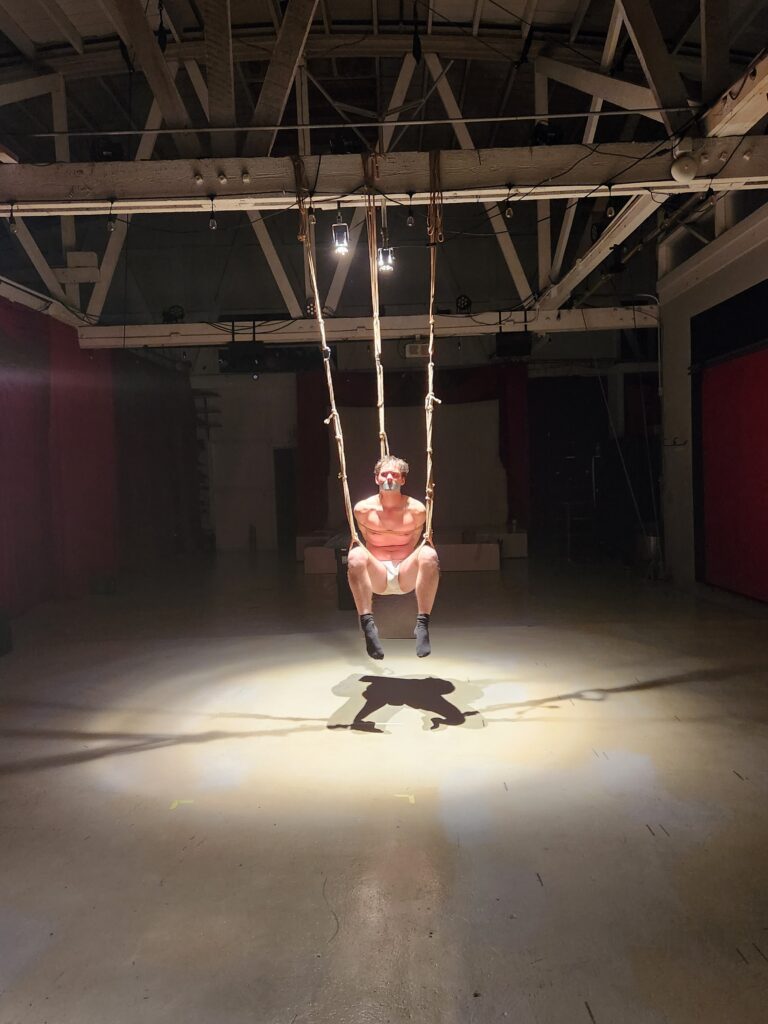
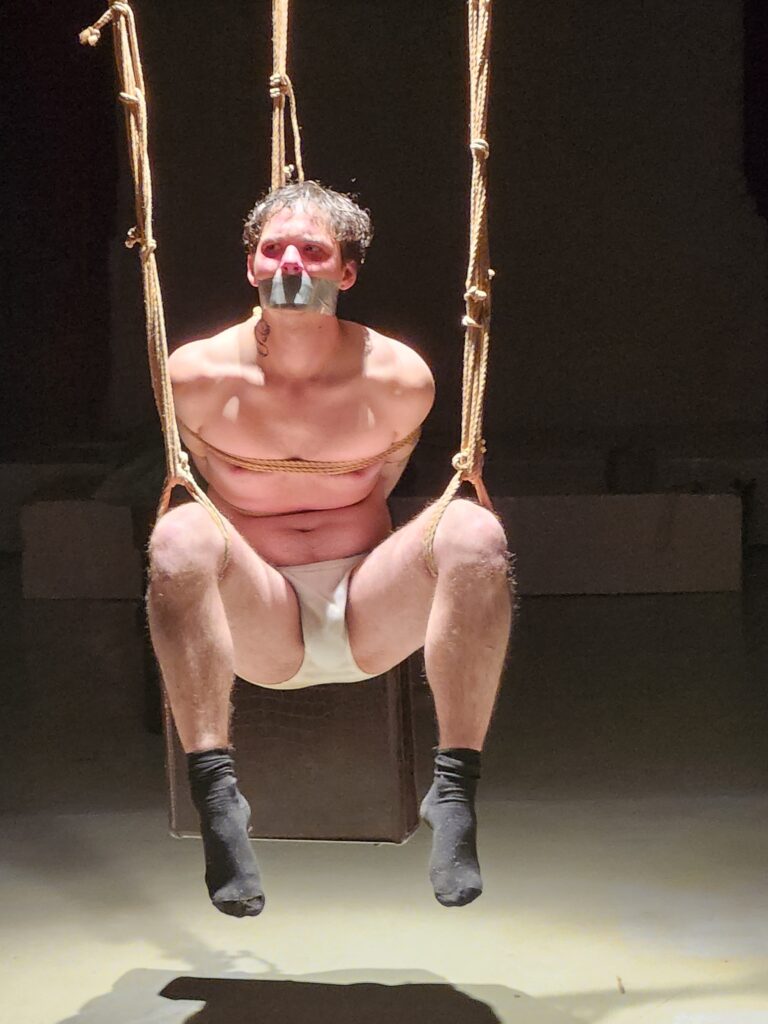
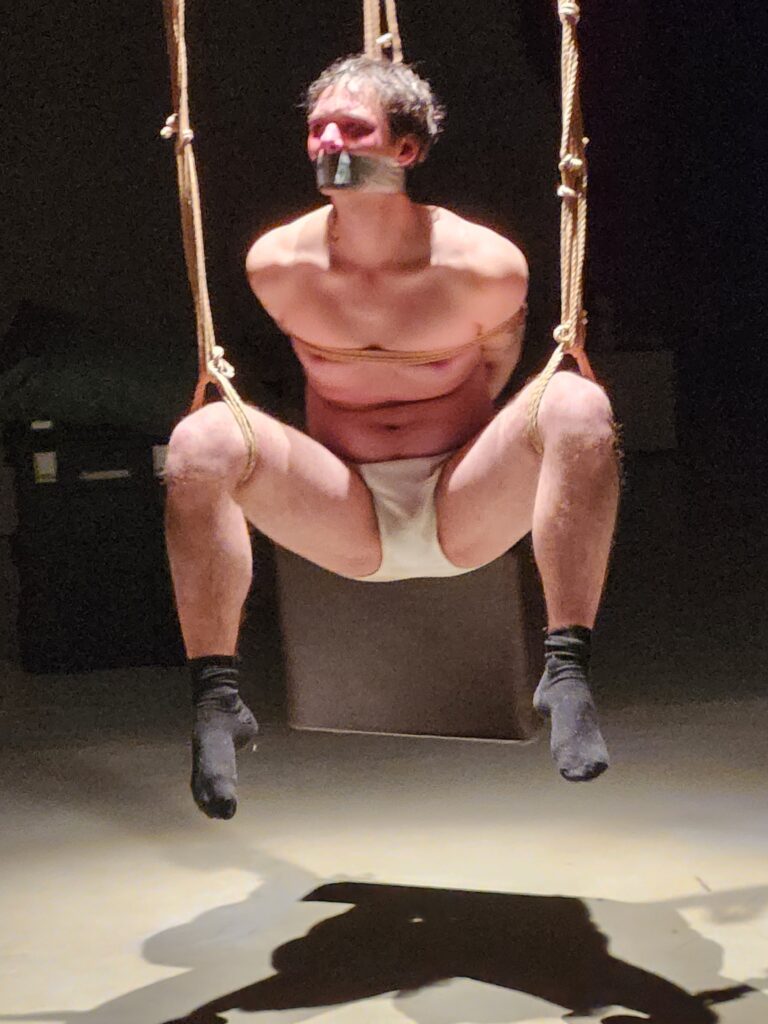
If Western humiliation is like being laughed at on stage, hazukashii is more like realizing the spotlight is suddenly on you and everyone can see your feelings.
Both involve exposure. But one is ridicule, while the other is vulnerability.
Conclusion
The Japanese notion of hazukashii may translate poorly into Western BDSM vocabulary, especially in the context of humiliation play, because it occupies a different emotional category.
Where Western humiliation centers on power, degradation, and hierarchy, hazukashii centers on self-awareness, vulnerability, and relational intimacy.
Understanding this distinction may help Western rope practitioners approach Japanese-influenced rope not primarily as a form of humiliation play, but as an exploration of emotional exposure, relational awareness, and shared vulnerability.
This emotional quality also resonates with a broader pattern found in Japanese aesthetics, where beauty often emerges from moments of subtle vulnerability or incompleteness. Rather than emphasizing domination or spectacle, many traditional arts cultivate a sensitivity to fleeting expressions and delicate emotional shifts. In this context, the moment when a model becomes aware of her own embarrassment can be understood not as humiliation, but as a small aesthetic revelation. The rope scene becomes less about control and more about the shared recognition of a fragile emotional moment as it appears and passes between the participants.
In this sense, hazukashii functions less as a form of humiliation and more as a moment of aesthetic awareness within the shared play of rope.